






Flat Run or Incline Treadmill?
Find out how to burn fat, bulletproof your knees, and stay in shape with zero gym nonsense. See which one is worth the grind.
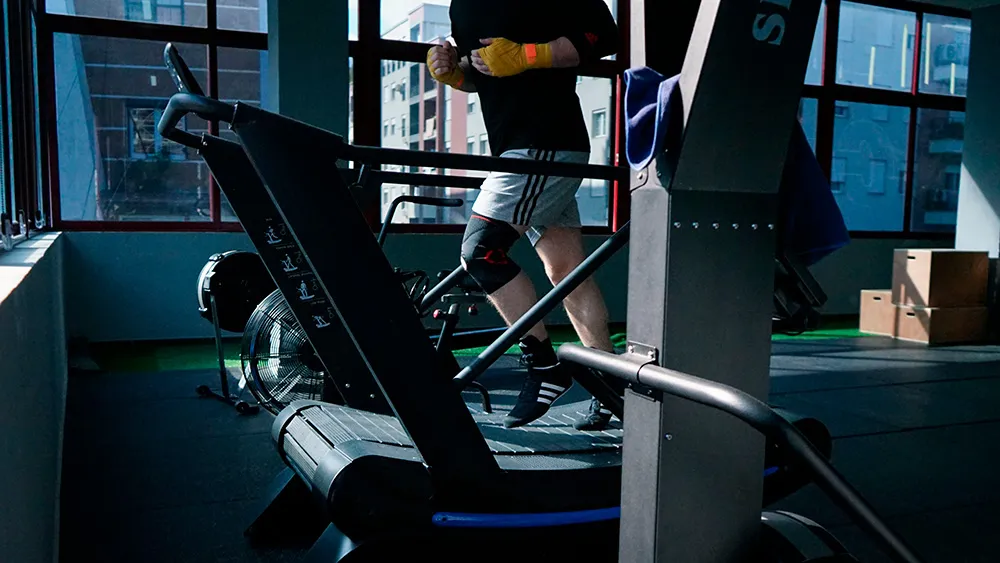
If you hit the gym with the clear mission to drop the beer belly and get your old wind back, you’ve probably stared at the treadmill console wondering what to do. The dilemma is always the same: crank up the speed to jog until your lungs burst, or jack up the incline and power uphill like a freight train?
The plain, honest truth is that both options do a great job burning calories. The deciding factor isn’t some magical fat-burning trick; it’s the toll each one takes on your joints, your muscles, and your patience over the months.
The Traditional Run: Iron Lungs and Fast Pace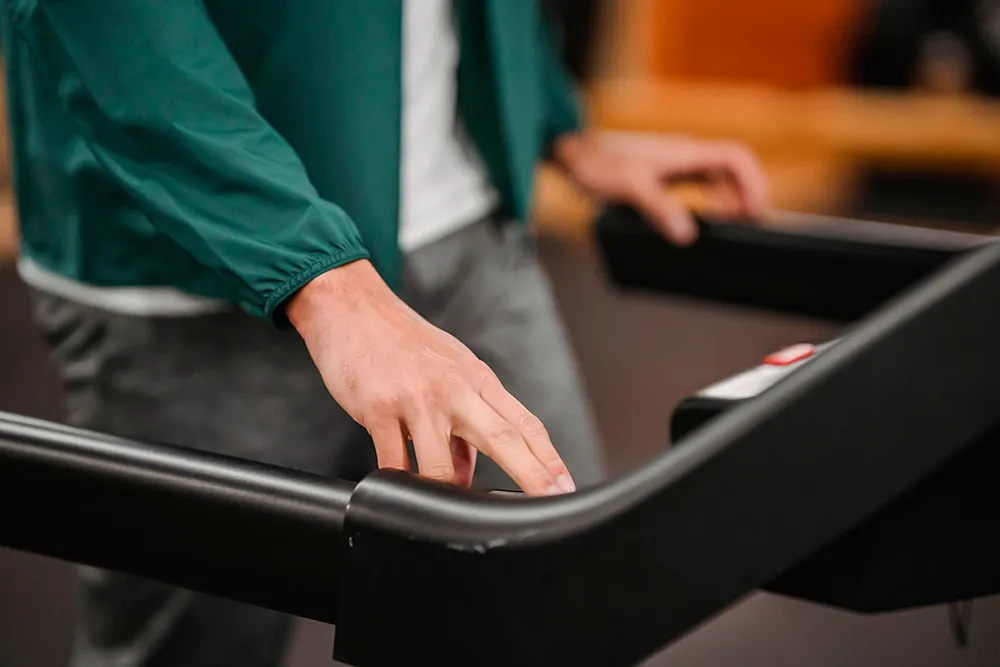
Ramping up the speed on a flat belt is the default move for nine out of ten guys who just want to break a serious sweat right away. It’s dead simple: press the button, lock into a rhythm, and hold on.
- The strong point: In terms of effort density per minute, running at a moderate-to-high pace burns through energy fast. On top of torching calories in the moment, it builds brutal lung capacity. If your goal is to survive all ninety minutes of weekend soccer without begging to be subbed off ten minutes in, flat ground or flat belt delivers exactly that.
- The flip side: The repetitive impact is relentless. With every stride, your entire body weight crashes down into the deck multiplied three or four times over. If the scale is tipping high or your legs don’t have the muscle armor to absorb the shock, your meniscus, shins, and lower back end up paying the bill. Ending up sidelined on anti-inflammatories for a week because you overdid it on the run is the fastest way to quit training altogether.
The Incline Treadmill: Raw Strength and Joint Protection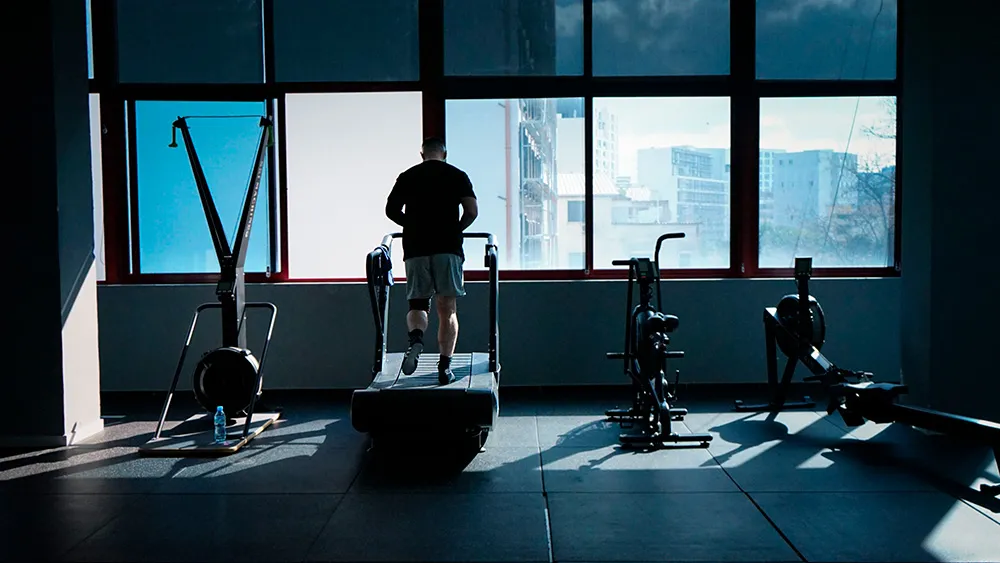
Setting the belt to an 8% to 12% grade while keeping a brisk pace (around 3.5 to 4.0 mph) looks easy from the outside. But five minutes in, reality hits: your heart starts pounding in your throat and your legs burn like you’re pushing a broken-down truck.
- The strong point: The real secret of the incline is eliminating the flight phase of the stride. You never go airborne; you just plant your foot and drive the ground back. The impact on your knees and ankles drops to practically zero, making it workable at any body weight. Plus, the steep angle heavily recruits the posterior chain: calves, hamstrings, and glutes work under constant tension, which does wonders for posture and core stability.
- The flip side: The lazy guy’s classic mistake ruins everything here: grabbing the handrails with both hands and leaning backward. Doing that defeats gravity, cuts your calorie burn in half, and wrecks your shoulders. If you’re going up that ramp, your arms need to pump naturally with your stride. It also takes more mental grit, since there’s none of the adrenaline you get from sheer speed.
The Calorie Math: Where Does the Needle Actually Move?
On paper, a vigorous uphill walk burns virtually the same amount of energy as a light-to-moderate flat run.
The real difference is the fuel source. A heavy climb keeps your heart rate in that sweet spot where your body taps into stored fat as a direct energy source. Running at high intensity burns through stored glycogen faster and spikes your post-workout metabolism due to total systemic fatigue. At the end of the day, if total energy burned is similar and your diet is dialed in, the aesthetic result on the scale is identical.
The Practical Verdict: Building Your Game Plan
To keep things straightforward without overcomplicating it, match the tool to where you stand right now:
- If you’re getting back into training, carrying extra weight, or dealing with achy joints: Skip running for now. Jack the treadmill up to a 10% incline, set a brisk walking pace, and knock out 35 to 45 minutes. You’ll sweat buckets, save your joints, and build a solid muscular foundation with zero risk of injury.
- If your weight is already dialed in and you want pure cardiovascular engine power: Traditional running is the tool for the job. Alternate short high-speed bursts with recovery jogs two to three times a week to stretch your lung capacity.
- The best of both worlds: Rotate them. Use the steep incline the day after a heavy leg workout so you don’t pound already-fatigued joints, and save the fast runs for days when your body is fully fresh.
At the end of the day, the best cardio is the one you don’t skip on Tuesday out of sheer laziness or bad knees. Set the work, hit the clock without staring at your phone, and head into the shower knowing the job is done.
Posted in: 11/11/2026
Last modified: 11/11/2026
0 comments