






The Digital Reconfiguration: The Sovereignty of Platforms
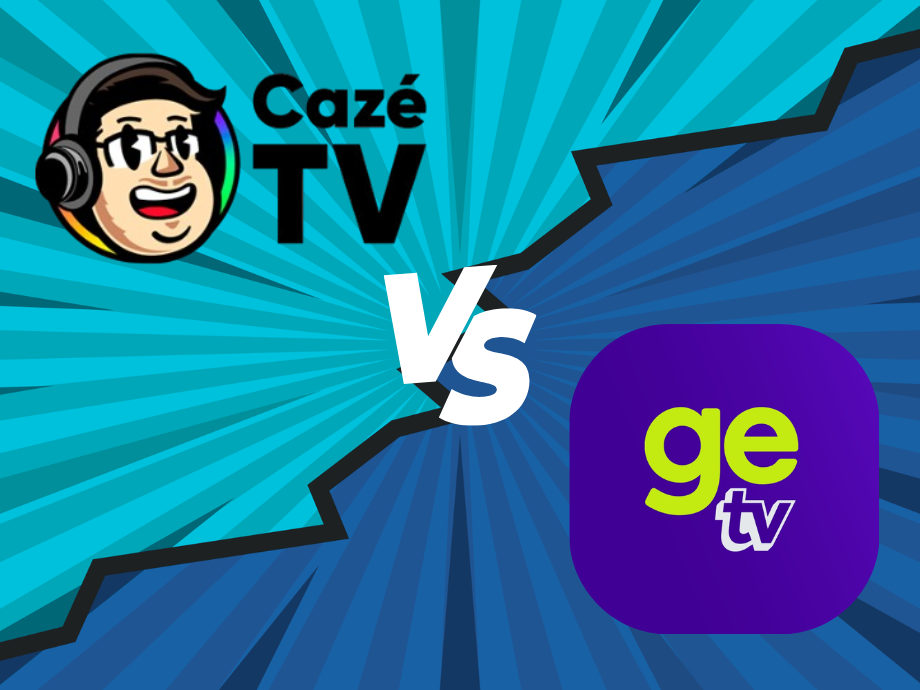
In the realm of broadcasting, the period from February 21st to 23rd, 2026, solidified Casimiro Miguel's transition from a mere streamer to a market regulator. The strategic decision to end sports broadcasting on the Twitch platform, due to successive unfair copyright bans, demonstrates that technical autonomy is now a requirement for commercial survival. By centralizing control through LiveMode and diversifying to YouTube, Samsung TV+, and Prime Video, Casimiro redefines what it means to be a rights holder in Brazil.
The battle for airtime with "GE TV," the digital arm of Rede Globo, has reached a point of saturation. Analysis of Casimiro's recent live streams shows a deliberate distancing from Globo's content after the ban on reaction videos from the ge.globo portal. This "cold war" over image rights directly influences how young male audiences consume football: the preference for Casimiro's informality over traditional television rigidity is a trend that, according to analysts, is irreversible.
Financial Hegemony and the Consolidation of Corporations: The Botafogo Case
The management of Botafogo under the umbrella of the Football Corporations (SAF) presented critical developments between February 21st and 23rd. The arrival of midfielder Cristian Nicolás Medina in Rio de Janeiro on February 22nd is the culmination of a two-month negotiation stalled by legal and financial issues. Technical analysis indicates that the resolution of the transfer ban — resulting from debts paid in installments from the purchase of Thiago Almada — was the necessary catalyst for Medina to be registered.
The behind-the-scenes dispute between John Textor's Eagle Holdings and Ares Management Corporation suggests a new power dynamic where "unlimited money" is used as a tool to stifle rivals. This management model, while successful in attracting talent, poses a long-term sustainability challenge, fearing the distortion of national football in favor of purely corporate interests.
Transfer and Market Indicators (February 2026)
|
Player |
Origin/Status |
Destination |
Value/Context |
|---|---|---|---|
|
Cristian Medina |
Students (ARG) |
Botafogo |
US$ 15 million (Termination fee). |
|
Thiago Almada |
Atlanta United (USA) |
Botafogo |
Outstanding payments resulted in a transfer ban . |
|
Ángel Romero |
No Club |
- |
Contract not renewed for 2026. |
|
Marine |
No Club |
- |
Available on the transfer market. |
Interpersonal Dynamics and the Locker Room: The Impact of Conduct Crises
The emotional stability of the squads was put to the test by scandals involving infidelity and relationship crises. The case involving players from Sport Club Internacional, exposed by gossip outlets and echoed by behind-the-scenes columnists, generated a visible fragmentation in the team's locker room. Analysis of the implications of this crisis suggests that Internacional's poor performance in the February rounds is not solely due to technical deficiencies, but also to an erosion of mutual trust among the players.
Furthermore, the phenomenon of "forgotten" players or those in peripheral markets, such as Raphael Veiga and Gabigol, indicates a shift in the life cycle of Brazilian athletes. By 2026, the pursuit of financial independence in alternative leagues has cost these players their relevance in the Brazilian National Team and their connection with local fans.
Conclusions regarding the February 2026 Cycle
The conclusion of the February 2026 analysis cycle points to Brazilian football in a state of permanent mutation. The professionalization of broadcasting structures, led by figures such as Casimiro Miguel and the PVC/Mauro Beting duo, offers a robust alternative to television hegemony, but brings with it new challenges regarding copyright and governance.
In the social sphere, the controversy involving Renata Fan serves as a necessary reminder that the financial modernization of clubs is not automatically accompanied by a modernization of media discourse. The Corinthians pride expressed in the statement of repudiation demonstrates that the sport's popular base continues to be its greatest force of resistance against stigma.
Financially, Botafogo under Foster Gillett and John Textor represents the new standard of competitiveness, where overcoming legal obstacles (such as the transfer ban ) is as important as on-field tactics. Finally, the conduct crises at Internacional and Cruzeiro's last-place position underscore that, without internal harmony and qualified technical management, financial capital is incapable of guaranteeing sporting results. Brazilian football in 2026 is, above all, a spectacle of contrasts, where the individual excellence of names like Vinicius Junior abroad shines in opposition to the collective shortcomings of the domestic scene.
Author : Emerson Gonçalves
Posted in: 02/23/2026
Last modified: 10/20/2026
0 comments